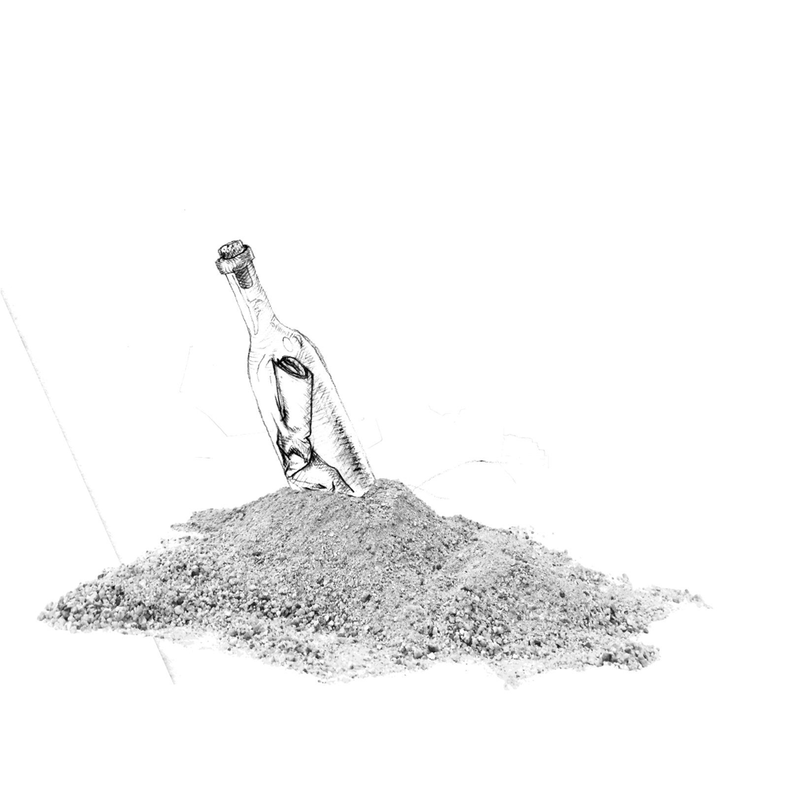
When Surf first dropped in 2015, it felt like something different. Not just another rap project, not just an R&B album , but a full creative collaboration that didn’t fit neatly into one category.
Led by Nico Segal, then known as Donnie Trumpet, and backed by The Social Experiment, the project brought together a collective that included Chance the Rapper, Peter Cottontale, Nate Fox, and Greg Landfair Jr.
At the time, the album was well received. But looking back on it now, it feels like Surf never fully got the recognition it deserved for what it actually was.
A Collaborative Vision Ahead of Its Time
Part of what makes Surf so unique is how collaborative it feels. This isn’t an album built around a single voice; it’s built around a collective identity.
That approach was already hinted at with its rollout. Originally slated for 2014, the album didn’t arrive until May 2015, eventually landing with “Sunday Candy” as one of its defining tracks. For many listeners, that song served as the entry point, especially if you were already familiar with Chance the Rapper.
But Surf is much bigger than any one song.
It feels less like a traditional album and more like a musical ecosystem, where different artists, sounds, and ideas all exist within the same space.
A Genre-Blending Experience
What stands out most about Surf is how fluid it is.
One moment you’re listening to a rap track.
The next, it shifts into R&B.
Then into a jazz-driven trumpet interlude.
Then into something that feels almost gospel-inspired.
That constant movement is what gives the album its identity.
At the center of it all is Nico Segal’s trumpet. His instrumentation doesn’t just sit in the background — it shapes the tone of the album, acting as both a transition point and a defining sound. Those interludes give Surf a musicality that separates it from a lot of projects released around that time.
It’s not just a playlist of songs; it’s a fully realized listening experience.
The Power of Features
Another major strength of Surf is its features.
Without even listing them out, this is the kind of album where almost every track has a moment that makes you stop and think:
“Wait… is that who I think it is?”
That element of surprise keeps the album engaging from start to finish, with the features still not being listed out even ten years later. It turns each listen into something slightly different, especially if you’re revisiting it years later and recognizing voices you may not have caught the first time.
It also reinforces the album’s collaborative nature. No one artist dominates the project; everyone contributes to the overall experience.
Why It Feels Underrated
Looking back, it’s hard not to feel like Surf should have been a bigger moment.
The ingredients were all there:
- a strong collective
- standout production
- genre-blending creativity
- memorable tracks like “Sunday Candy.”
And yet, the album never fully reached the level of cultural impact it seemed capable of.
Part of that might come down to timing, rollout, or simply how unconventional the project was. Surf doesn’t fit easily into a single category, and sometimes that makes albums harder to market, even when they’re great.
But that same quality is also what makes it last.
Final Thoughts
Surf is one of those albums that gets better with time.
For me, it’s become something I revisit not just because of the music, but because of what it represents, a moment where collaboration, creativity, and genre-blending came together in a way that still feels fresh years later.
It’s easily one of my favorite albums from the last decade.
And if you haven’t heard it, it’s the kind of project where you might discover:
- a familiar voice you didn’t expect
- or even a different version of a song you already know
cough… “Caretaker”… cough
Standout Tracks
- Warm Enough
- Familiar
- Rememory
- Sunday Candy


Leave a Reply