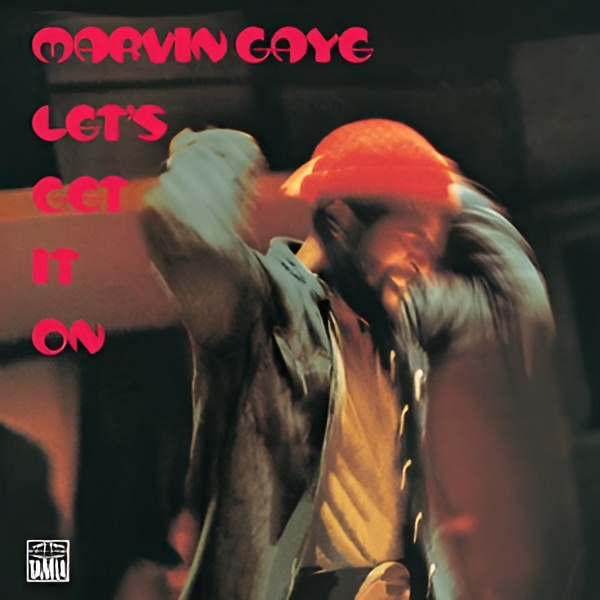
Some albums sound of their time, and then some albums feel outside of time entirely. Let’s Get It On, released in 1973 by Marvin Gaye, is the latter. Nearly five decades later, it remains not just one of the pinnacle albums in R&B but one of the most influential statements in modern Black music. From its instrumentation to its intimate exploration of love, desire, and vulnerability, the record is both of its era and forever.
I first approached Let’s Get It On like many listeners do, with reverence, but also with a bit of misunderstanding, as I first heard it when I was younger. It’s an album spoken about in almost mythical terms, discussed as an emotional milestone in R&B’s evolution. But returning to it with fresh ears, more experience, and an older mindset, especially through the lens of its impact on subsequent generations, crystallized just how revolutionary Gaye’s work truly was. This isn’t nostalgia talking; this is an album that continues to matter.
The Weight of Desire and Vulnerability
At its core, Let’s Get It On is an album about intimacy and longing, not just sex, but yearning, closeness, and the emotional complexity that comes with trying to articulate deep feeling. Gaye’s voice, in every register, feels like a confession: tender one moment, urgent the next, and always wanting more. There’s a vulnerability here that transcends simple sensuality; it’s as much about wanting to be seen and understood as it is about physical connection, something often missed in today’s music.
The title track itself sets the tone: warm strings, rolling bass, and Gaye’s voice like a caress. Unlike many albums that lean on detached cool or bravado, this record wears its heart on its sleeve. Pleasure and pain together in one, intertwined, and equal.
A Sonic Innovation, Not Just a Vocal One
The production of Let’s Get It On is an overlooked part of its genius. In an era when R&B was evolving into deeper soul-funk fusion, Gaye and his collaborators layered instruments in a way that felt authentic. Every string, guitar flourish, and chord served both melody and mood. The arrangements and the record feel like a landscape that’s open and warm, yet shadowed.
It’s one thing to sing about vulnerability; it’s another to build a musical world that invites it. Tracks like “Come Get to This” and “Distant Lover” do just that.
The Legacy: Beyond Influence Into Continuity
If Let’s Get It On is timeless, it’s because it hasn’t just been influential; it’s become part of the DNA of R&B and modern Black music more broadly. It’s been sampled, referenced, and reinterpreted countless times, but one of my personal favorite examples of this lineage is Kanye West’s use of “Distant Lover” on Spaceship (from The College Dropout). Kanye’s flip is playful and personal; the longing in the vocal sample underpins a different kind of yearning: aspiration and frustration in the everyday struggle of being Black and working in corporate America.
What draws me to that use of the sample, and what connects it back to Gaye’s original, is the shared emotional plank. Both songs are about wanting something that feels just out of reach: in Gaye’s case, closeness and intimacy; in Kanye’s, upward mobility and recognition. It’s a testament to the depth of Let’s Get It On that a sample can carry its emotional DNA into a new era and new context while still resonating.
Why It Still Matters
In a genre that has changed radically since 1973, Let’s Get It On remains a touchstone not because it was ahead of its time, but because it is timeless in its emotional honesty and vulnerability. Contemporary R&B artists still pull from its vocabulary of warmth and presence. Whether it’s in the echo of a vocal phrasing, the lush layering of instruments, or the way a song communicates need without embarrassment, the album’s influence is everywhere.
Albums that age gracefully do so not by clinging to historical markers, but by creating emotional spaces that listeners of any generation can enter. Let’s Get It On does exactly that: it’s night music, heart music, and truth music, and it never feels dated because its emotional core never changes. A true album for universal lovers and yearners, regardless of the year.
Standout Tracks
- Let’s Get It On
- Distant Lover
- Just To Keep You Satisfied



 ON KEY WITH RYAN
Leave a comment